Jordan Müller · 13 October 2026
Balancing Act: Optimizing Pivot Points for Enhanced Safety in Material Handling Systems
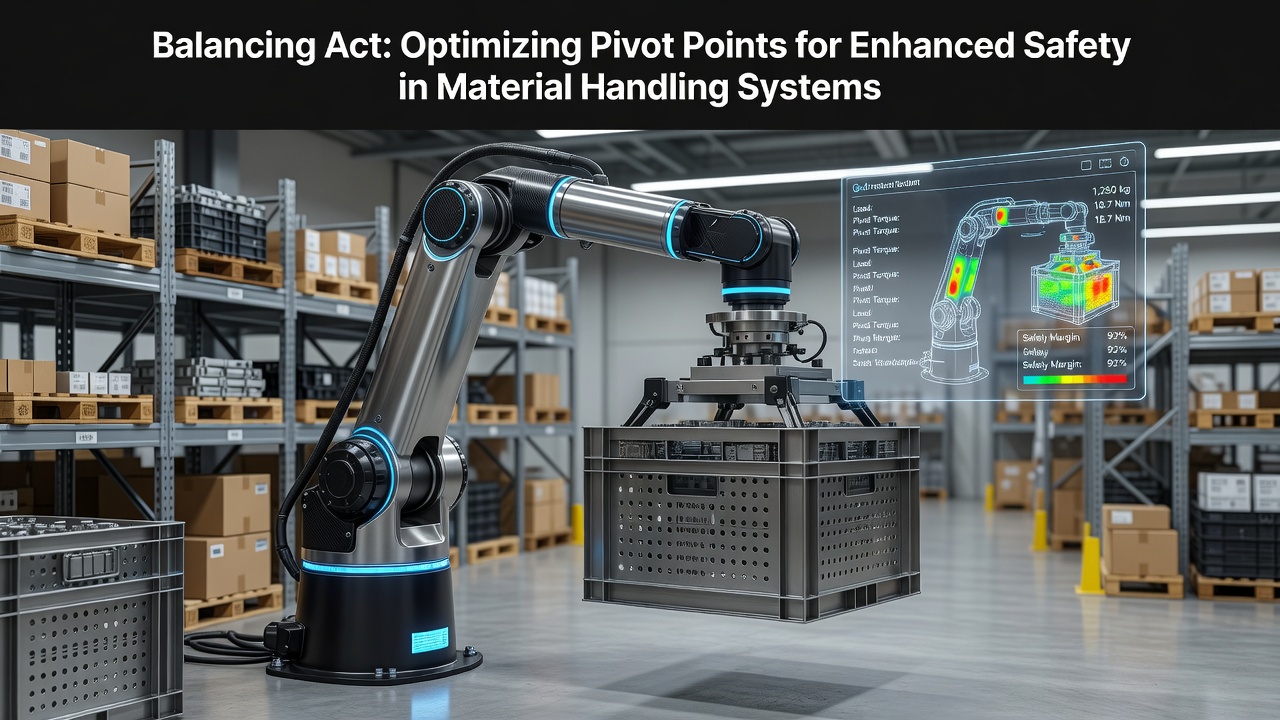
Material handling systems rely on precise engineering at pivot points to maintain stability during lifting, transport, and placement operations, and researchers have documented how these fulcrums influence overall equipment performance across warehouses, construction sites, and manufacturing facilities. Data from industry analyses show that adjustments to pivot locations can reduce tipping incidents by redistributing forces along lever arms, while studies from mechanical engineering departments reveal consistent patterns in load dynamics when pivot points shift even a few centimeters. Observers note that systems incorporating adjustable fulcrums demonstrate measurable improvements in operator control, particularly when handling uneven or oversized loads.
Core Mechanics of Pivot Points
Pivot points function as the central axis in lever configurations found in forklifts, overhead cranes, pallet jacks, and conveyor transfer mechanisms, and calculations based on torque principles determine how weight shifts during movement. Engineers apply formulas that account for load mass, arm length, and fulcrum position to predict stability thresholds, while field measurements collected by safety inspectors confirm that misaligned pivots increase shear stress on structural components. Equipment manufacturers incorporate reinforced bearings at these junctions because evidence from stress testing indicates higher durability under repeated cycles when materials resist deformation at the contact points.
Design teams evaluate multiple variables including center of gravity height, surface friction coefficients, and dynamic acceleration rates before finalizing pivot placements, and simulation software allows virtual testing of configurations across varied terrain conditions. Those who analyze failure reports find that a significant portion of balance-related incidents trace back to pivot wear or improper initial calibration, leading facilities to adopt scheduled inspection protocols that track alignment drift over time.
Optimization Approaches in Practice
Facilities optimize pivot points through modular designs that permit fine-tuning without full disassembly, and technicians use laser alignment tools combined with load sensors to verify balance after adjustments. Research indicates that incremental shifts toward the load side can enhance mechanical advantage in certain lifting scenarios, whereas repositioning toward the effort side improves precision for delicate placements. Maintenance logs from large-scale distribution centers document extended service intervals when pivot components receive lubrication matched to operating temperatures and cycle frequencies.
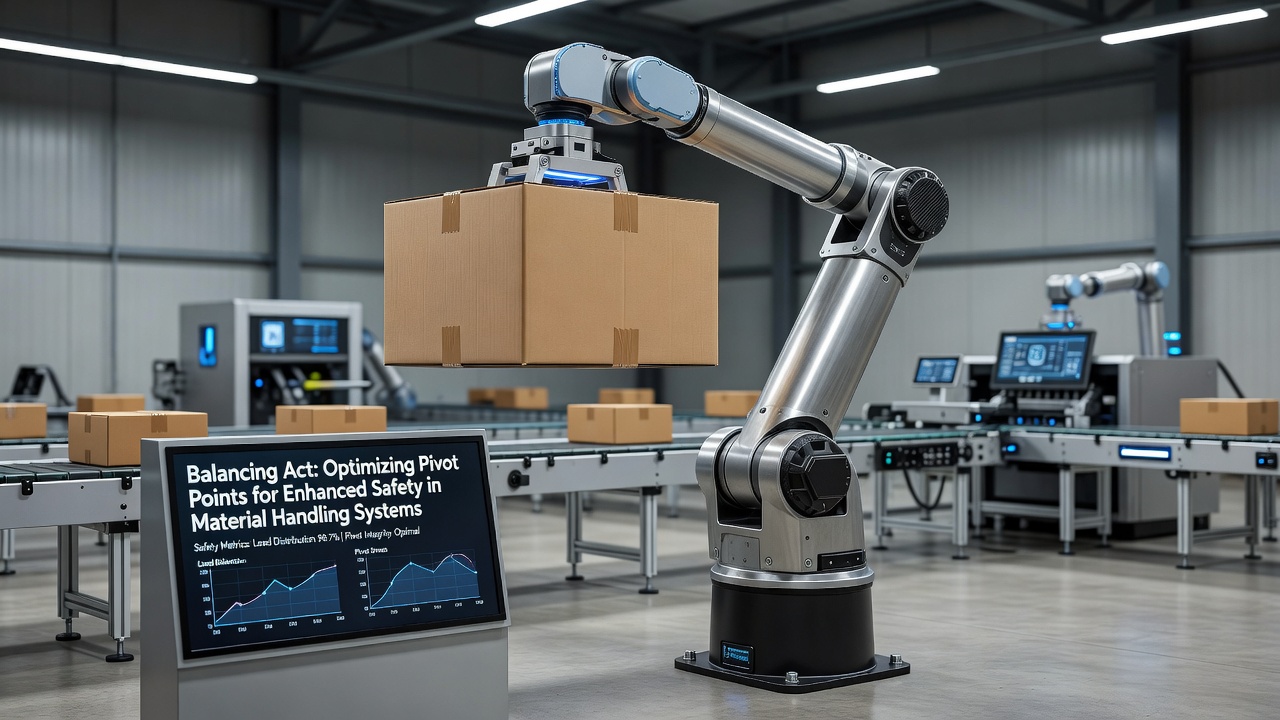
Training programs emphasize recognition of early warning signs such as unusual vibration or drift during operation, and operators learn to report deviations promptly so adjustments occur before thresholds are exceeded. Data collected from sensor-equipped systems show real-time feedback loops that alert personnel when pivot stress approaches predefined limits, allowing proactive corrections during shifts rather than after incidents.
Industry Examples and Measured Outcomes
One automotive parts supplier implemented repositioned fulcrums on their custom transfer carts and recorded a drop in load shift events during the first six months of operation, according to internal safety metrics. Another case involved a port terminal that retrofitted crane booms with variable pivot assemblies, after which incident logs showed fewer instances of container sway under wind loads. Observers tracking these modifications note that initial setup required collaboration between engineering staff and floor operators to account for actual usage patterns beyond laboratory conditions.
Studies conducted by university research groups have compared fixed versus adjustable pivot systems across similar material volumes, and results consistently highlight reduced energy consumption alongside safety gains when operators maintain optimal settings. Equipment suppliers now offer retrofit kits that integrate with existing frames, reducing downtime during upgrades while preserving compatibility with standard attachments.
Standards and Compliance Updates
Regulatory frameworks from bodies such as OSHA outline requirements for load capacity ratings and stability testing that directly reference pivot integrity, and inspectors verify compliance through documented torque measurements and visual examinations. In parallel, Canadian resources from the Centre for Occupational Health and Safety provide guidelines on equipment modifications that include pivot recalibration after any structural repairs. European directives emphasize risk assessments that incorporate dynamic modeling of fulcrum behavior under maximum rated loads, prompting manufacturers to supply detailed pivot specifications with new machinery.
Industry associations schedule periodic reviews of these standards, with one round of updates slated for discussion in October 2026 that will address sensor integration and data logging at critical balance points. Facilities preparing for these changes have begun auditing current pivot configurations to align with anticipated documentation needs, while training providers expand modules on interpreting sensor outputs during routine operations.
Conclusion
Optimizing pivot points remains a foundational element in material handling safety protocols because precise fulcrum placement directly affects force distribution and equipment stability across diverse operational environments. Organizations that integrate measurement tools, scheduled maintenance, and compliance with evolving standards report sustained reductions in balance-related events, and ongoing research continues to refine models that predict performance under varied conditions. Those responsible for system design and upkeep apply these principles through methodical adjustments supported by empirical data rather than assumptions, ensuring consistent outcomes as handling demands evolve.