Xander Schmitz · 27 October 2026
High-Strength Lever Configurations in Wind Turbine Blade Adjustments for Remote Maintenance Teams
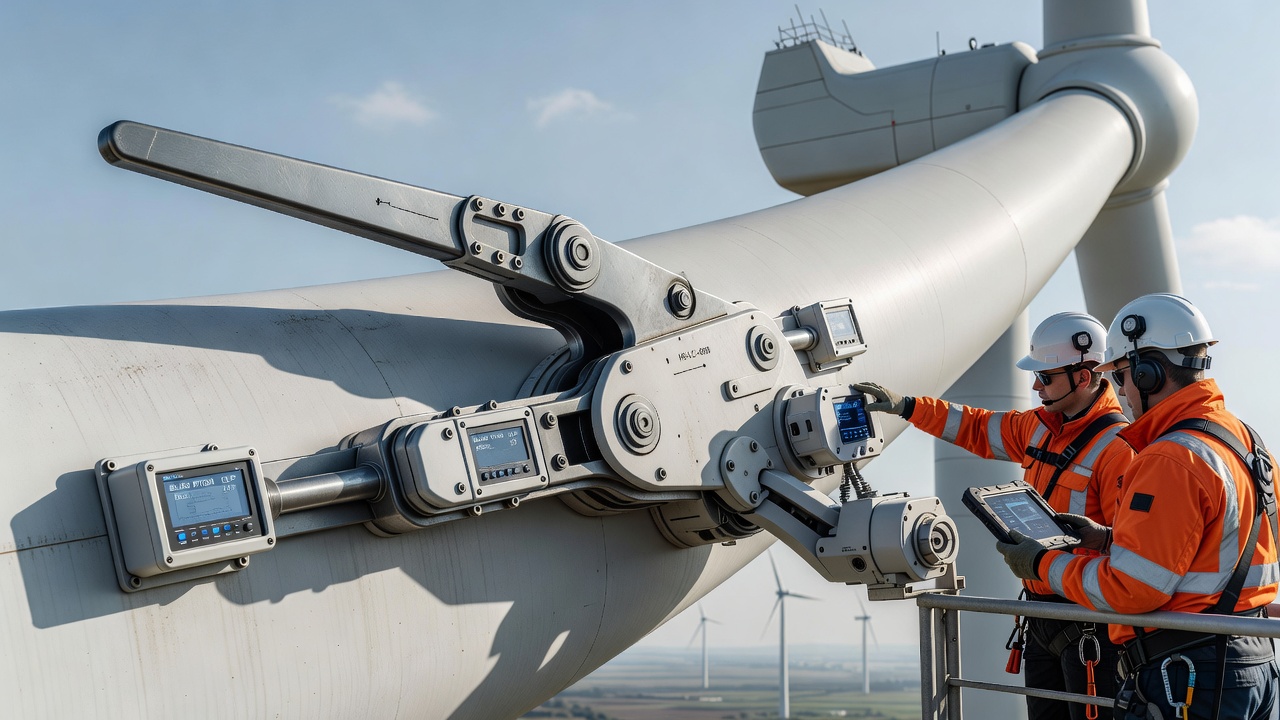
High-strength lever configurations play a central role in wind turbine blade adjustments when remote maintenance teams need reliable mechanical solutions that function without direct on-site presence. These systems rely on reinforced materials and precise pivot designs to deliver controlled force during pitch angle modifications, which helps optimize rotor performance across varying wind conditions. Data from the National Renewable Energy Laboratory shows that blade pitch adjustments occur regularly throughout a turbine's operational cycle, and lever-based mechanisms provide consistent torque application even when teams operate equipment from control centers hundreds of kilometers away.
Core Design Elements of High-Strength Levers
Engineers construct these levers from alloy steels rated above 800 MPa yield strength, combined with composite reinforcement layers that reduce overall weight while maintaining structural integrity under cyclic loading. The fulcrum points incorporate self-aligning bearings that accommodate slight misalignments common in large rotor hubs, and the lever arms feature modular extensions that allow teams to adapt reach distances based on specific turbine models. Research published through the International Renewable Energy Agency indicates that such configurations reduce adjustment cycle times by integrating hydraulic assist cylinders that multiply input force without requiring additional power sources at the nacelle level.
Integration With Remote Operation Protocols
Remote maintenance teams coordinate lever operations through sensor networks that transmit real-time position data, load readings, and temperature metrics back to centralized monitoring stations. These protocols enable technicians to initiate blade angle changes via encrypted command sequences, after which the lever systems execute the movement while feedback loops confirm completion. In October 2026, updated interoperability standards from the Global Wind Organisation are expected to standardize communication interfaces between lever actuators and remote platforms, which should further streamline coordination across multi-vendor turbine fleets. Observers note that this approach minimizes the need for helicopter or vessel deployments to offshore sites, where weather windows often limit physical access.
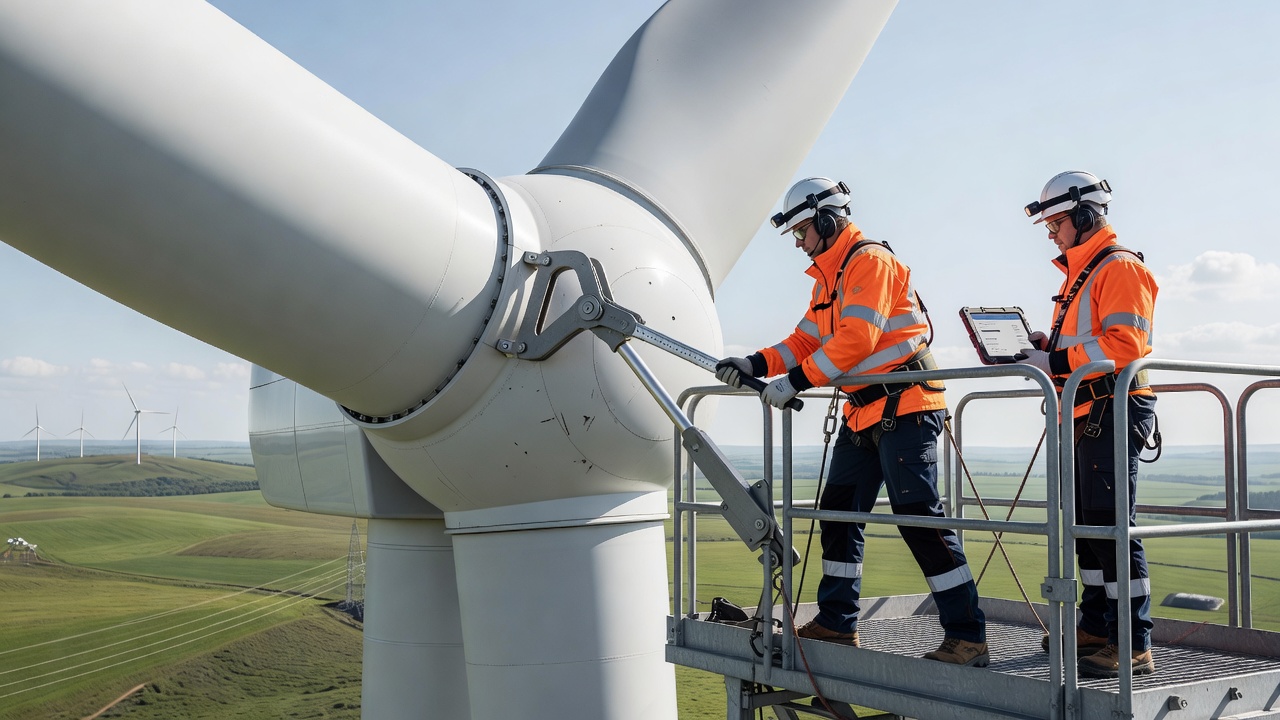
Case documentation from European offshore installations reveals that lever configurations equipped with redundant locking pins prevent unintended movement during power interruptions, a feature that aligns with safety requirements outlined in IEC 61400-1 turbine design standards. Teams verify pin engagement through visual confirmation cameras mounted near the hub assembly, ensuring the system remains secure before transitioning to the next adjustment sequence.
Load Management and Safety Features
High-strength levers incorporate overload protection through calibrated shear pins and electronic strain gauges that trigger automatic disengagement when forces exceed preset thresholds. This setup protects both the blade root structure and the lever assembly itself during unexpected gust events. Figures from the U.S. Department of Energy's Wind Energy Technologies Office demonstrate that turbines using these lever systems experience fewer unplanned shutdowns related to pitch mechanism faults compared with purely hydraulic alternatives, because the mechanical backup allows continued limited operation until full repairs become feasible.
Material Selection and Environmental Considerations
Manufacturers select lever components based on corrosion resistance ratings suitable for marine environments, applying multi-layer coatings that withstand salt spray exposure for periods exceeding fifteen years. Pivot joints receive sealed lubrication systems that maintain performance across temperature ranges from minus forty to plus sixty degrees Celsius, conditions frequently encountered at high-altitude or northern latitude installations. Studies conducted by the Australian Renewable Energy Agency highlight how these material choices extend service intervals, allowing remote teams to schedule interventions based on predictive analytics rather than fixed calendars.
Training and Operational Readiness
Remote teams undergo simulation-based training programs that replicate lever operation sequences using digital twins of specific turbine models. These programs emphasize sequence verification steps, emergency override procedures, and data interpretation from the sensor suite. Organizations maintain certification records that document operator competency levels, which regulatory bodies review during periodic compliance audits. The approach ensures consistent execution across distributed teams regardless of individual location.
Conclusion
High-strength lever configurations continue to support efficient blade adjustments in wind turbines by combining mechanical reliability with remote operability features. Industry reports track ongoing refinements in sensor integration, material durability, and standardization efforts that align with expanding global wind capacity. Teams rely on these systems to maintain turbine availability while reducing exposure to challenging site conditions.