Avery Roth · 29 September 2026
Innovations in Load Management: Specialized Lever Designs Transforming Warehouse Operations
Warehouse operations have seen steady shifts toward specialized lever designs that address load management challenges, and these tools integrate mechanical principles with ergonomic features to handle increasing volumes of goods. Research from material handling studies shows that lever systems reduce physical strain on workers while improving throughput rates in distribution centers across multiple regions. Data from industry reports indicate that facilities adopting customized levers report measurable gains in safety metrics and operational consistency, particularly when dealing with oversized or irregularly shaped loads that standard equipment struggles to accommodate.
Evolving Demands in Warehouse Environments
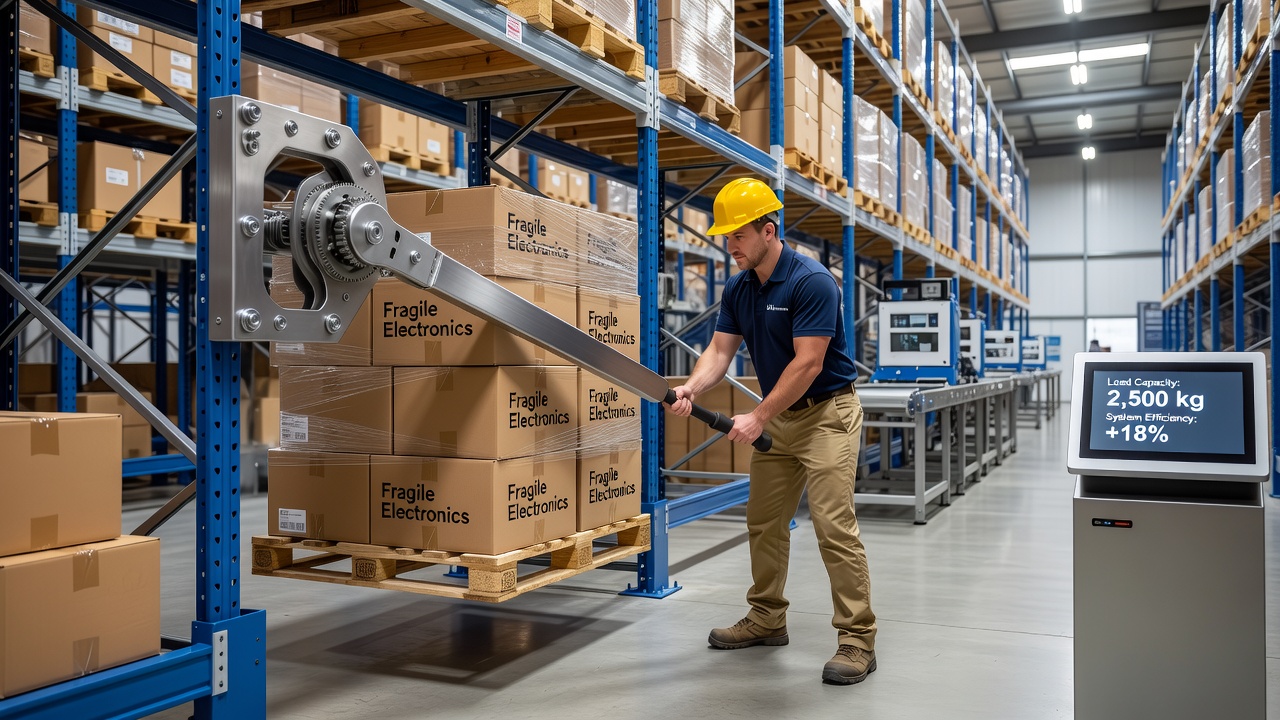
Global supply chains continue to push warehouses toward higher efficiency standards, and specialized lever designs respond directly to these pressures by incorporating adjustable fulcrums and reinforced pivot points that distribute force more evenly. Observers note that traditional manual handling methods often lead to higher injury rates, whereas newer lever configurations allow operators to maneuver heavy items with reduced effort through optimized leverage ratios. Figures from safety organizations reveal that ergonomic interventions in load handling correlate with fewer musculoskeletal disorders, and companies in North America along with parts of Europe have implemented these designs as part of broader facility upgrades.
One notable development involves levers equipped with hydraulic assists that activate at specific load thresholds, enabling seamless transitions between manual and powered assistance without requiring full automation setups. This approach proves useful in mid-sized facilities where complete robotic systems remain cost-prohibitive, and studies from university engineering departments highlight how such hybrid designs maintain worker engagement while minimizing fatigue during extended shifts.
Key Features of Modern Lever Innovations
Designers have focused on modularity in recent lever systems, allowing components to swap out based on load type or warehouse layout, and this flexibility supports varied applications from pallet stacking to container unloading. According to OSHA warehouse safety guidelines, proper lever selection contributes to compliance with handling standards, particularly when operators receive training on force application techniques. Additional enhancements include non-slip grips and angled handles that align with natural body movements, reducing the torque required at joints during repetitive tasks.
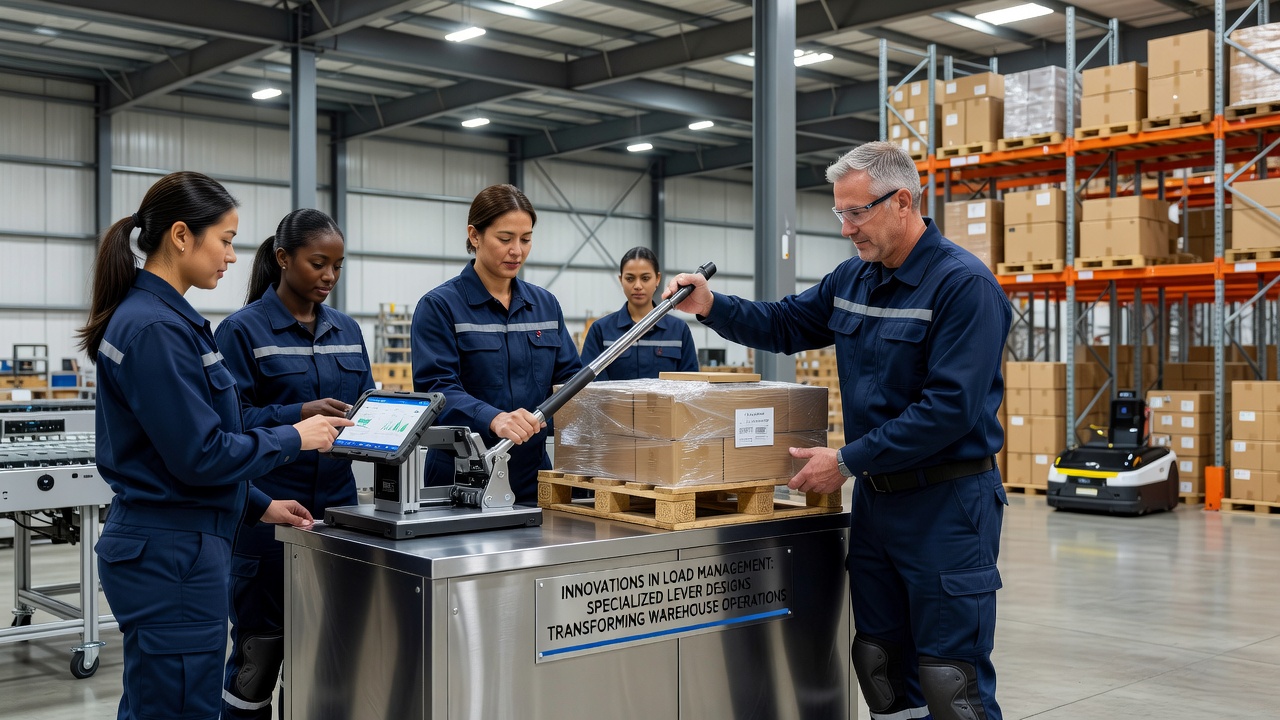
Specialized coatings on lever surfaces resist corrosion in humid or refrigerated environments, and manufacturers have tested these materials under prolonged exposure to maintain performance over years of daily use. Research indicates that facilities incorporating these coated levers experience lower maintenance intervals compared to uncoated alternatives, which supports continuous operation during peak seasons such as holiday shipping surges. In September 2026, several industry conferences plan to showcase updated lever prototypes that integrate sensor feedback for real-time load monitoring, building on existing mechanical foundations with digital overlays.
Implementation Across Different Facility Types
Distribution centers handling e-commerce volumes have adopted compact lever variants that fit narrow aisles, and these designs maintain full mechanical advantage despite reduced footprints. European data from workplace safety agencies shows consistent adoption patterns in high-density storage areas where space constraints amplify the benefits of precise force multiplication. Meanwhile, larger fulfillment hubs in Asia-Pacific regions utilize extended-reach lever arms for overhead rack access, with training programs emphasizing proper alignment to maximize efficiency gains.
Case examples from manufacturing-adjacent warehouses demonstrate how lever systems integrate with conveyor belts and sorting equipment, creating continuous flow without bottlenecks at transfer points. Those who've analyzed productivity logs report that downtime decreases when lever-assisted transfers replace purely manual lifts, and the pattern holds across facilities of varying scales.
Future Directions and Supporting Data
Advances in composite materials continue to influence lever construction, yielding lighter frames that retain strength under heavy loads, and this evolution aligns with broader trends toward sustainable equipment sourcing. Reports from organizations like Safe Work Australia outline how updated handling tools contribute to regulatory adherence in high-volume settings, and similar frameworks appear in Canadian provincial guidelines that prioritize worker safety metrics. Integration with warehouse management software allows levers to log usage data, which supports predictive maintenance schedules and inventory accuracy improvements.
Conclusion
Specialized lever designs represent a targeted response to persistent load management needs in warehouses, combining established mechanical advantages with contemporary material and ergonomic refinements. Evidence from multiple regulatory and research sources confirms their role in enhancing operational flow while addressing safety considerations, and ongoing developments point toward further refinements through 2026 and beyond. Facilities that evaluate these tools against specific workflow requirements stand to benefit from measurable improvements in handling practices across diverse operational contexts.